Bellwether Districts
School boards shape the daily lives of 50 million students: what they read, how they’re treated, and whether they feel safe walking into a classroom. For too long, they have flown under the radar while the decisions they make have had an outsized impact on students and families.
Until now.
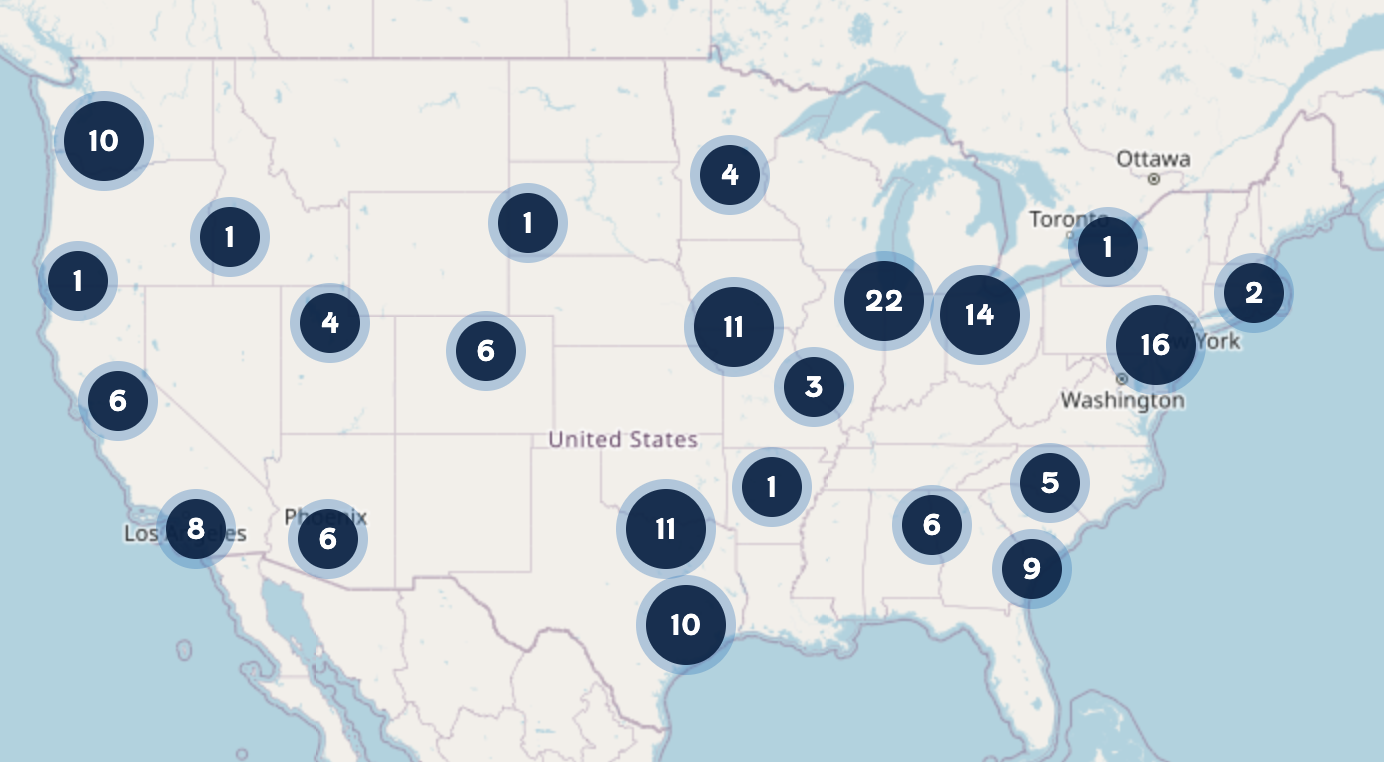
For the first time, School Board Spotlight has built a comprehensive record of what school boards in critical ‘bellwether’ districts are doing on some of the most hotly debated issues: tracking book banning, LGBTQ+ student protections, curriculum censorship, school vouchers, and immigration enforcement across 161 districts in 35 states.
We’ve incorporated our findings into a searchable database so that anyone — parents, educators, advocates, and reporters — can look up each of these 161 districts and see exactly what’s happening in their communities and hold their school boards accountable for it.
In many communities, school boards are spending their time on something other than students — banning books, restricting discussions of race and LGBTQ+ issues, and cooperating with immigration enforcement on school grounds. At the same time, many school boards are quietly doing the right thing: ensuring all students have access to a high-quality public education that prepares them for success in the classroom, college, and beyond.
The difference between those two outcomes often comes down to who is sitting on the board, and whether the public is paying attention. See the research for yourself, here.